Exhibitions are won or lost on logistics most visitors never see. Here's the planning sequence that keeps a multi-hall show running.
A trade exhibition succeeds or fails on logistics most visitors never think about: hall allocation, exhibitor move-in scheduling, power and rigging load calculations, and a floor plan that actually moves footfall toward every stall rather than just the ones near the entrance. Organising committees who get this right end up with a show exhibitors want to return to; committees who don't spend the entire run firefighting.
Hall allocation and floor planning
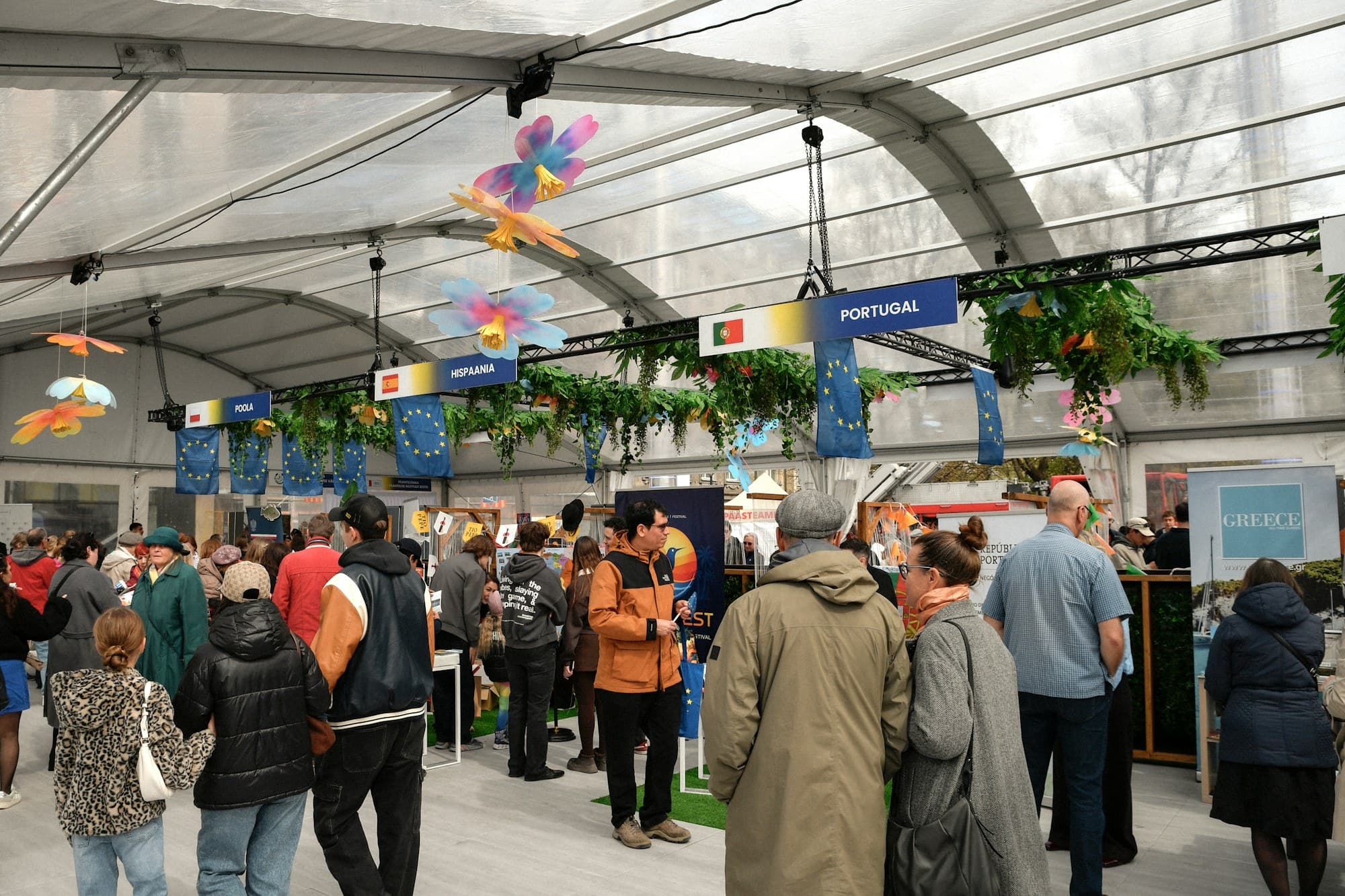
Allocate hall space based on expected buyer walk patterns, not just square footage sold. A floor plan that clusters similar exhibitors without creating dead zones keeps footfall distributed across the entire hall, which matters both for visitor experience and for exhibitor satisfaction — nobody wants to have paid for a stall in a corner nobody walks past.
Exhibitor move-in and the single-window desk
Move-in day is where most exhibitions lose control. Setting up a single-window exhibitor help desk weeks ahead of move-in — for logistics questions, power requirements and stall inspection sign-off — prevents the chaos of hundreds of exhibitors independently trying to solve problems on the same 48-hour window.
Compliance before doors open
Fire safety, structural certification for any custom builds, and municipal approvals need to be cleared well before move-in begins, not negotiated on the day. This is especially critical for exhibitions involving hazardous product categories, tall custom stall structures, or expected footfall above a few thousand visitors a day.
Running the show floor
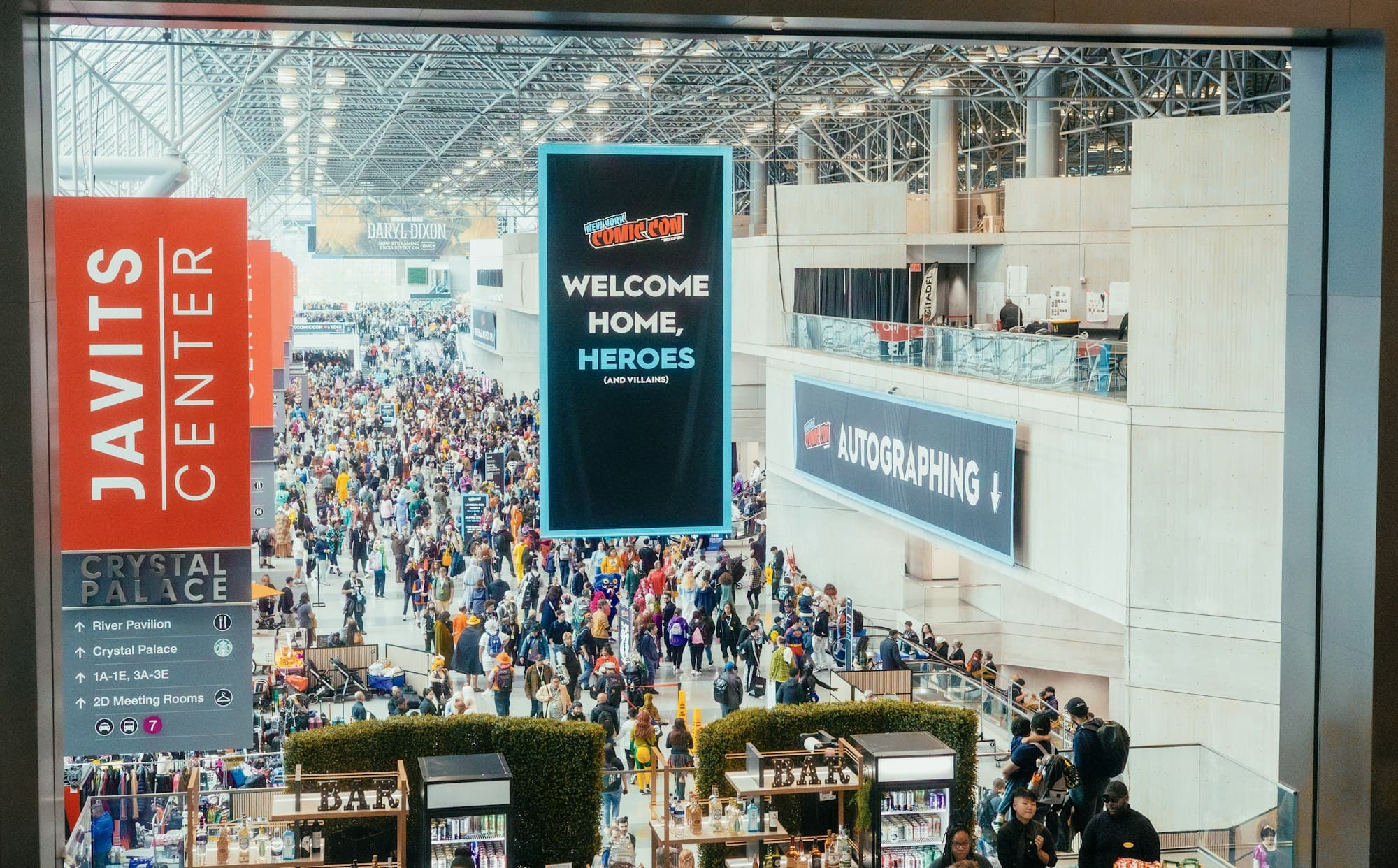
A rapid-response operations team with a clear service-level target for power trips, signage issues and stall complaints keeps day-four of a multi-day exhibition running at the same quality as day one. Registration counters — increasingly RFID or QR-based — need enough throughput capacity to handle peak-hour arrival spikes without creating a queue that becomes the visitor's first impression of the show.