The technical backbone behind every event — explained in plain terms for people who aren't AV engineers.
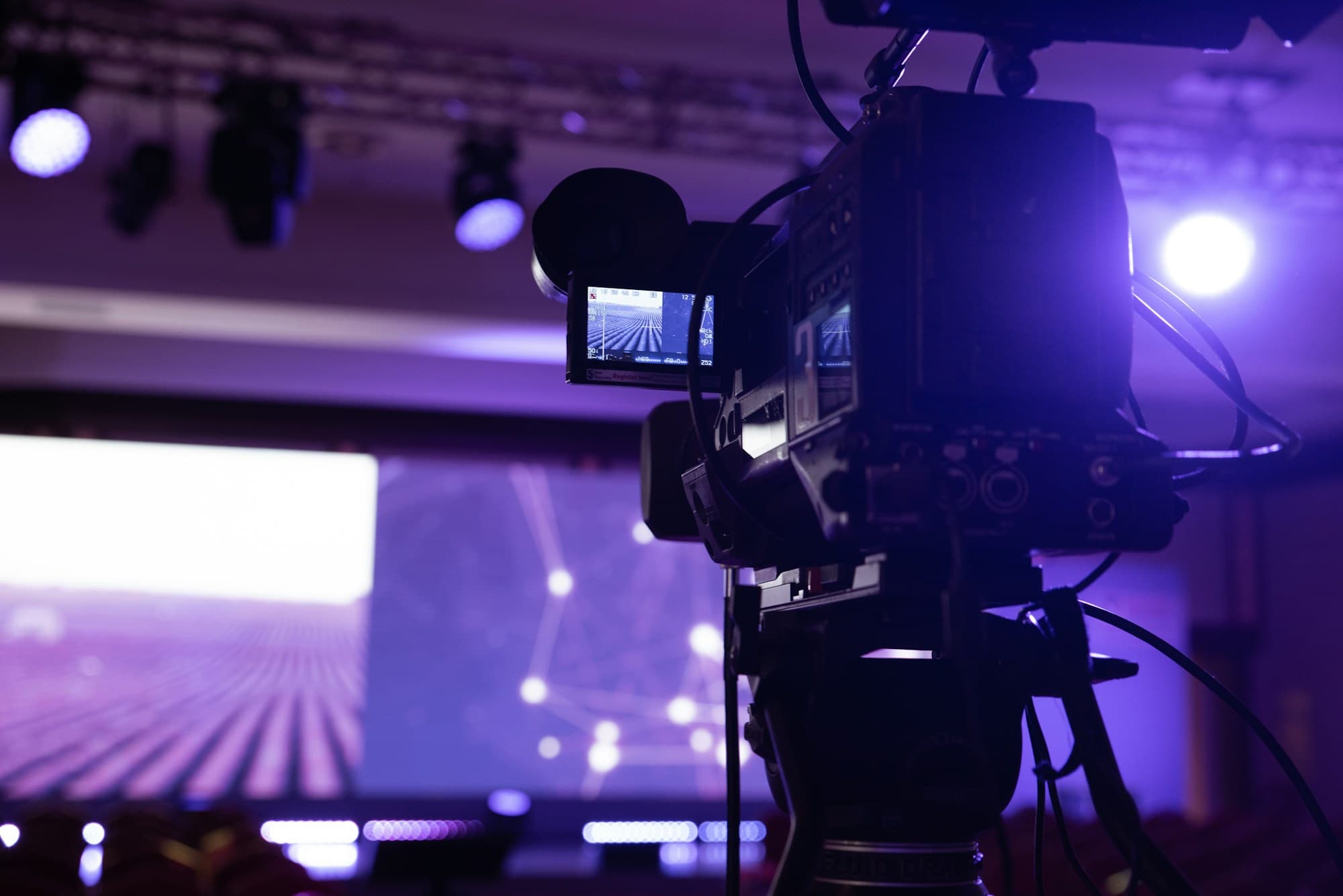
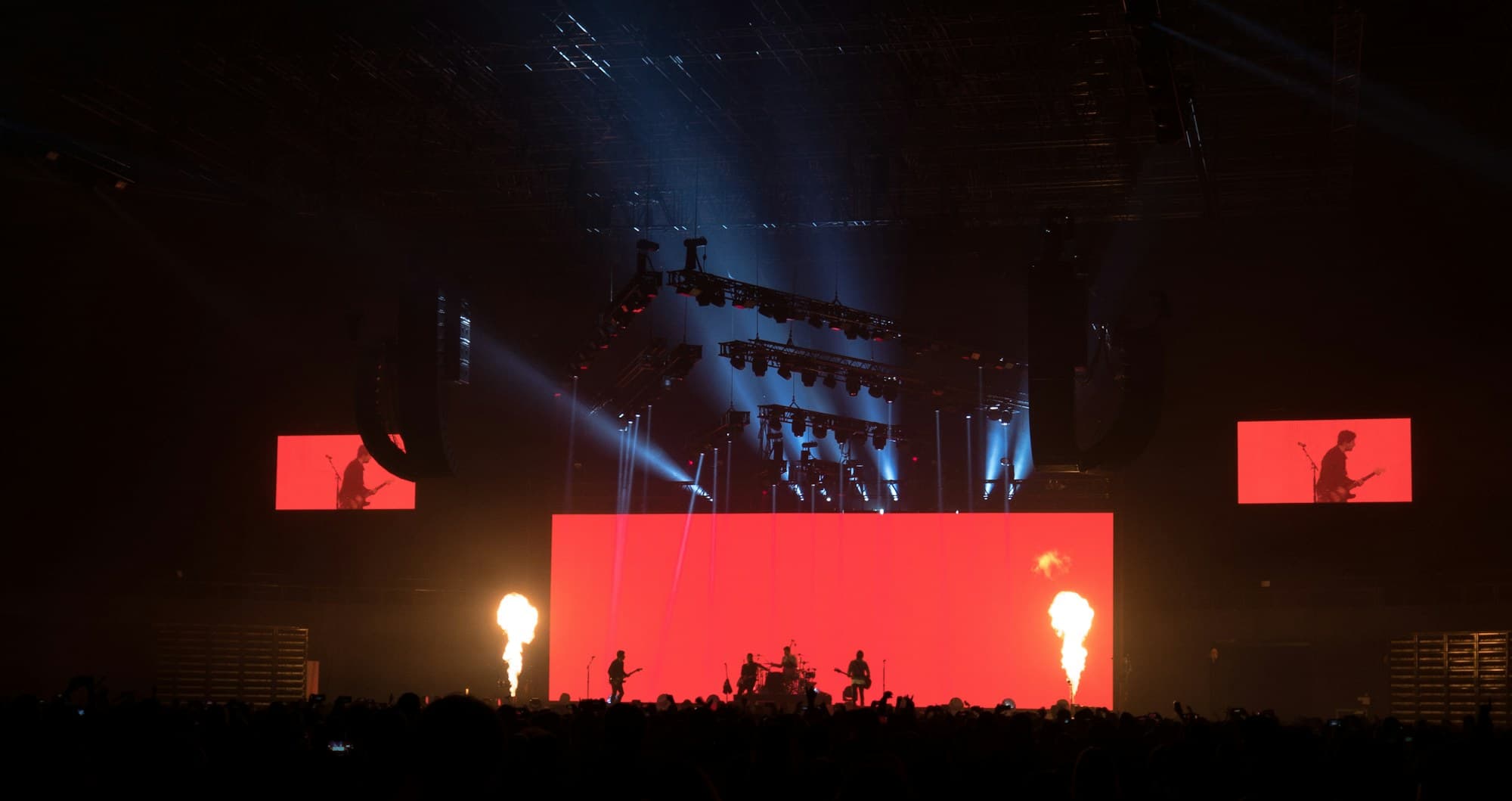
Every event category — a wedding, a concert, a government conference — rests on the same technical spine: sound engineering, lighting design, LED wall content and rigging, stage carpentry and, increasingly, live-streaming infrastructure. Understanding roughly how these pieces fit together helps any client ask sharper questions of their production partner, even without an AV background.
Sound: it's an engineering problem, not a volume knob
Sound design starts with the room, not the speakers — sightlines, ceiling height, hard versus soft surfaces all affect how audio behaves before a single microphone is placed. A line-array system correctly positioned for a venue's acoustics will outperform a more expensive system poorly placed.
Lighting: mood, visibility and cueing
Lighting design does two jobs simultaneously — making sure the audience can see what they need to see, and shaping the emotional register of each moment. For anything with a run of show — an award night, a concert, a product reveal — lighting cues need to be pre-programmed and rehearsed against the actual timing, not improvised live.
LED walls and content
LED wall content needs to be built to the exact panel resolution and aspect ratio of the installed wall, not resized generically — mismatched content is one of the most common visible production failures at corporate events. Content should be locked and tested on the actual wall well before doors open, not the morning of.
Rigging and structural safety
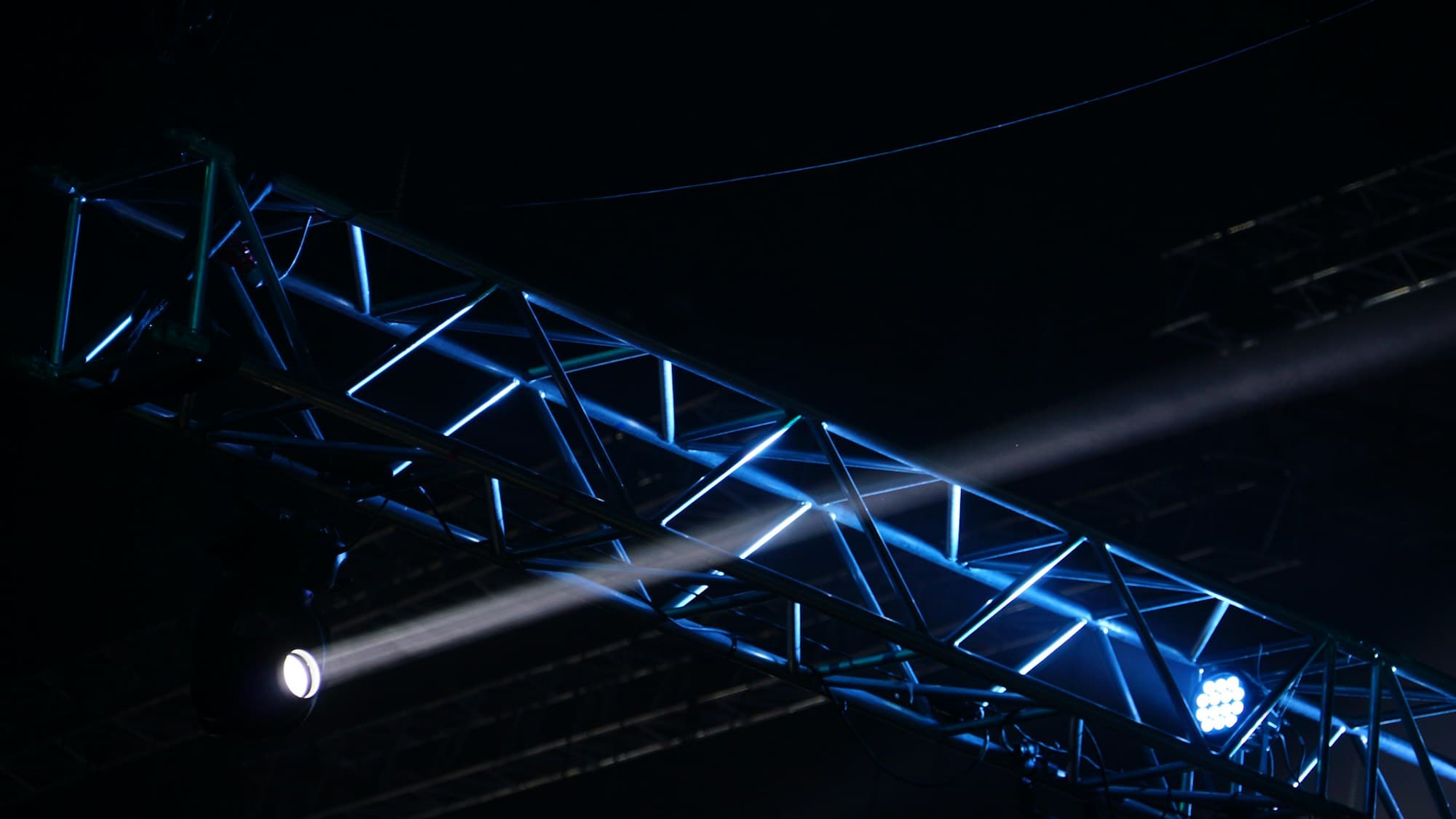
Any truss, LED wall or speaker stack rigged overhead needs load calculations and, for larger structures, engineering certification — this isn't optional at scale, and it's one of the clearest signals of whether a production partner runs a serious technical operation.