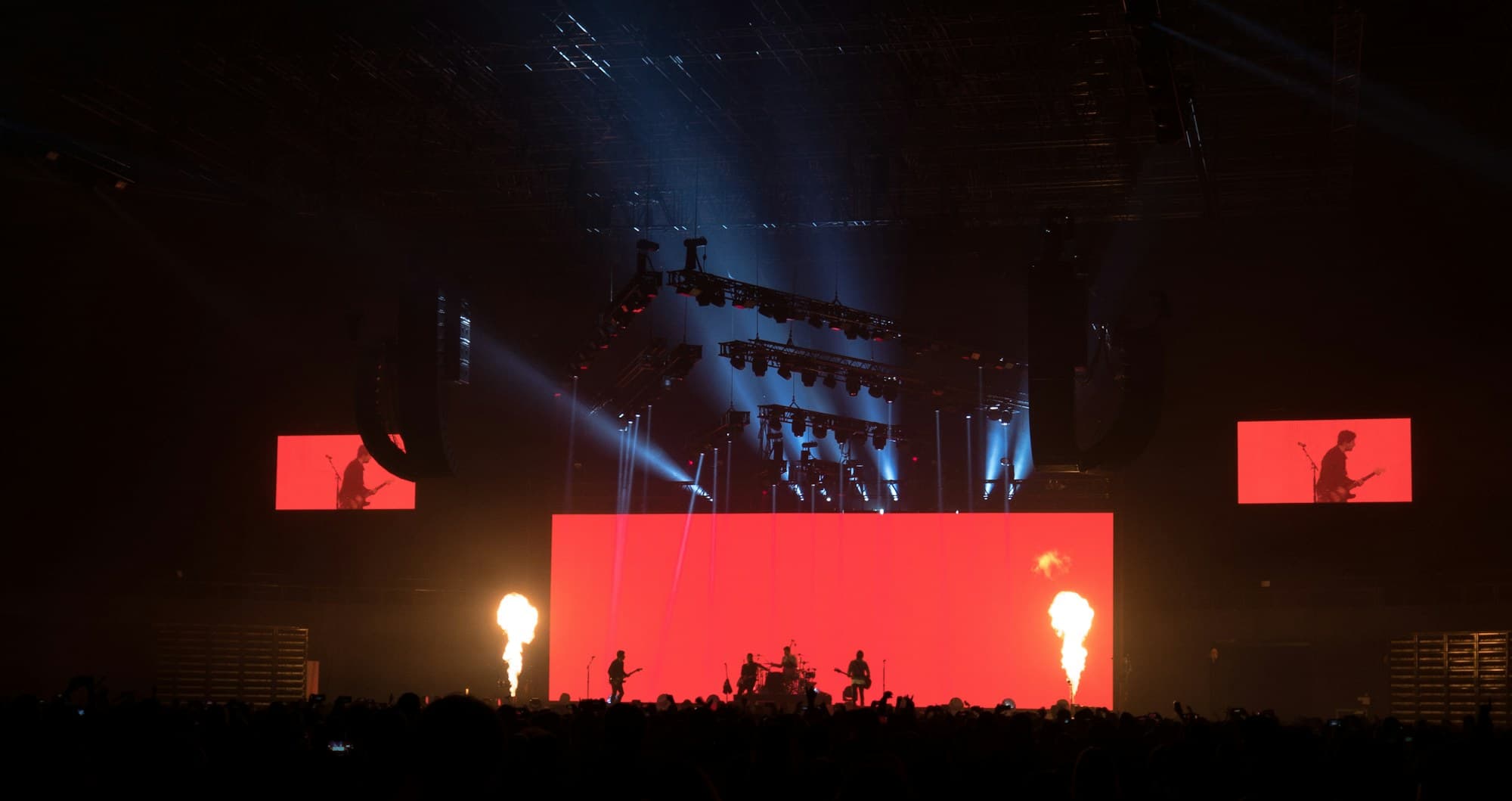

Live music at scale is a structural engineering and crowd-safety problem before it's a creative one.
Live music at scale is a structural engineering and crowd-safety problem before it's a creative one. Truss loads, sightlines, crowd density and emergency egress all have to check out before a single lighting cue is designed — and this planning has to happen in a specific order.
Rigging and structural certification first
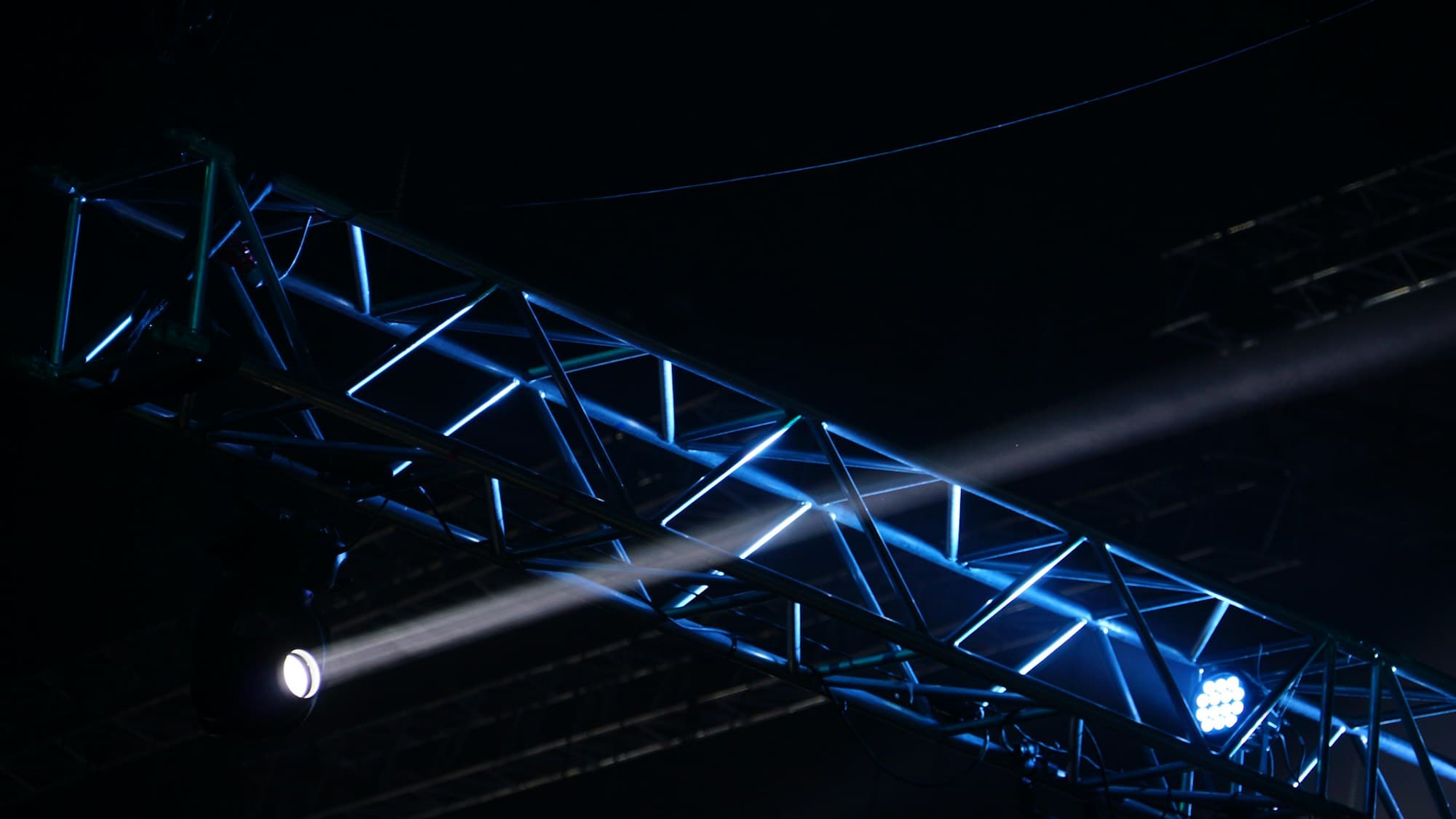
Any truss, speaker stack or LED structure rigged overhead needs formal load calculations and, for larger builds, third-party structural certification, completed and signed off well before build day — not treated as a formality to rush through on-site.
Crowd density and barricading
Barricading design, entry-point count and expected crowd density need to be modelled against the venue's actual capacity, not just the number of tickets sold — overcrowding risk comes from density at specific points, not just total attendance.
Egress routes and emergency response
Every large-format show needs clearly mapped, unobstructed egress routes and a rehearsed emergency response plan coordinated with venue security and, where required, local authorities — this should be a written plan reviewed before the show, not an improvised response.
A rehearsed show-stop procedure
Every act and crew member should know exactly what a show-stop signal looks like and what happens next — who cuts sound, who addresses the crowd, who manages the artist. This is one of the most commonly skipped rehearsal items, and one of the most important.